China's NEV Revolution: The Global Partnership Layer

Record-Breaking Growth: China’s EV Export Dominance
In 2024, China solidified its position as the world’s largest new energy vehicle (NEV) exporter, surpassing 2 million EVs shipped worldwide. By 2025, total vehicle exports are expected to reach 7 million units, with plug-in hybrids (PHEVs) driving a 70% year-over-year increase. Several key developments highlight the explosive growth:
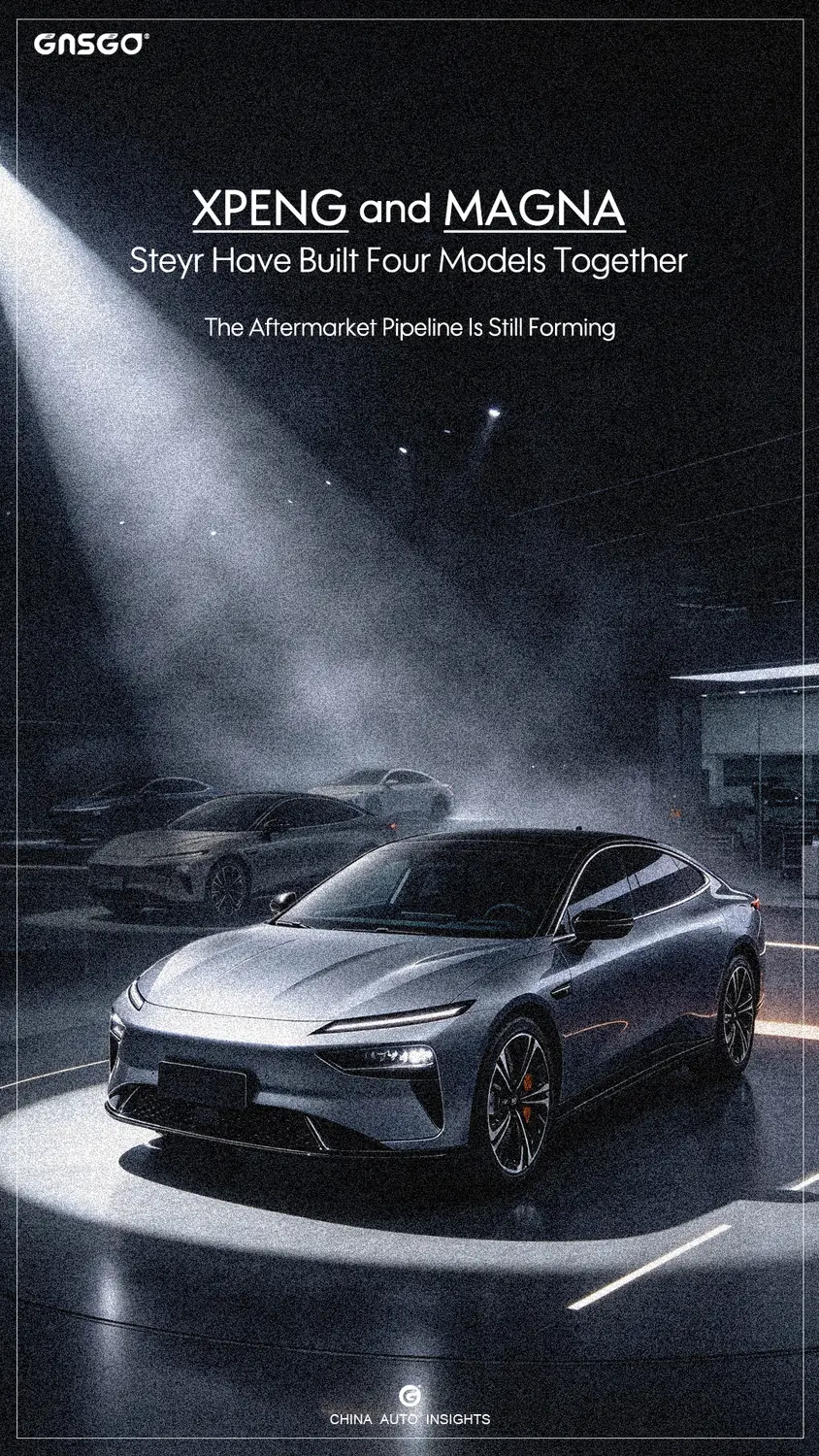
BYD: The company’s “Hefei” carrier ship recently departed for Europe, delivering 5,000 EVs as part of its expanding European footprint. XPeng: The global debut of the X9 RHD model marks a bold move into right-hand-drive markets, including the UK, Australia, and ASEAN nations. Zeekr: With a four-pillar strategy unveiled at CES 2025, Zeekr is focusing on technological localization, premium branding, and sustainable, circular supply chains.
For B2B partners, this surge in exports means a growing demand for infrastructure, logistics solutions, and localized services, opening up vast opportunities across global markets.
Tech Leadership: Innovation Beyond Cost
Chinese EVs are no longer just affordable—they are technological powerhouses. At CES 2025, Zeekr demonstrated next-generation autonomous driving systems powered by Geely’s SEA architecture, while BYD’s Blade Batteries proved their resilience during rigorous tests across extreme environments in Alaska, Sweden, and China. What differentiates Chinese automakers from their global counterparts?
Hyper-Vertical Integration: BYD controls 70% of its EV supply chain, from batteries to semiconductors, allowing for cost reduction and greater innovation. Smart Cockpit Ecosystems: XPeng’s XOS 6.0, featuring AI voice assistants and over-the-air updates, is setting new standards for in-car user experience. Battery Swap Networks: NIO, in collaboration with CATL, is scaling battery swap stations worldwide, significantly reducing charging downtime for users.
For tech suppliers and infrastructure developers, this is an invitation to collaborate on AI-driven mobility solutions, energy storage innovations, and smart charging networks that will power the next generation of EVs.
Localization 2.0: Building Bridges, Not Just Shipping Cars
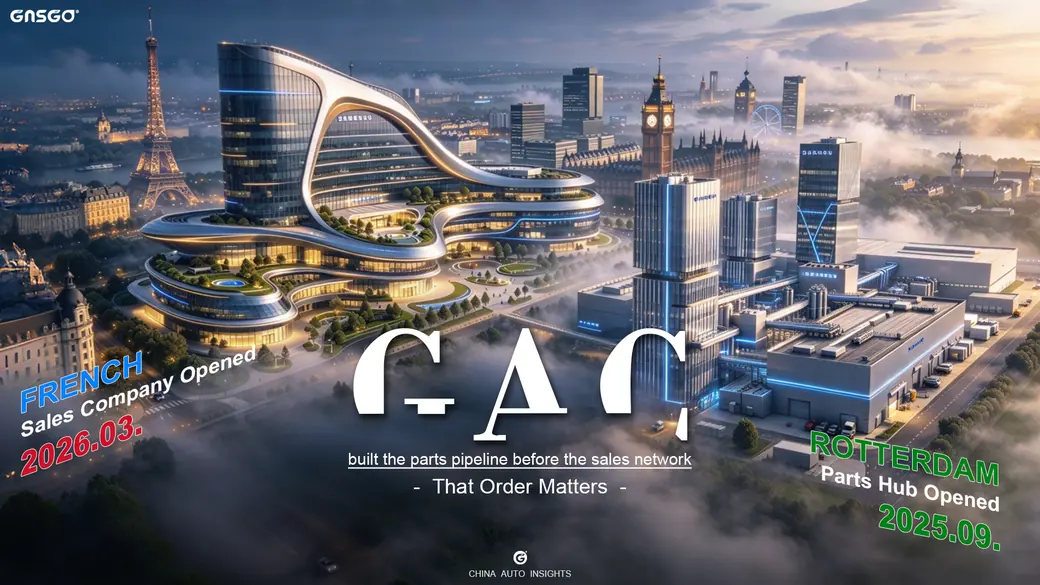
Chinese automakers are no longer relying solely on exports—they’re building localized production and R&D hubs worldwide to better serve global markets.
Europe: BYD’s Hungary plant and SAIC’s MG4 EU-localized production not only sidestep tariffs but also create jobs in the region. Southeast Asia: Great Wall Motor’s EV factory in Thailand and CATL’s nickel-processing joint ventures in Indonesia are helping the ASEAN region meet its 30% EV target by 2030. Mexico: As a key gateway to the U.S. market, Mexico has seen NEV exports surge by 300% YoY, with new supply chains adapting under USMCA rules.
For local partners, this represents several business opportunities:
Co-investmentin assembly and semi-knockdown (SKD) facilities. Joint R&Dfor region-specific solutions, such as heat-resistant batteries for the Middle East. Revenue-sharingin aftermarket services like EV maintenance and battery recycling.
The Road Ahead: Seizing the EV Opportunity
The tipping point for EVs is here. By 2030, 40% of global auto profits are expected to come from electric vehicles. Aligning with Chinese innovators offers B2B partners numerous benefits:
First-Mover Advantage: Seize opportunities in emerging markets (e.g., BYD’s Mexico City flagship store and its pre-launch buzz). Tech Transfer: Geely’s open-source EV platform is enabling Southeast Asian startups to accelerate their electric vehicle developments. Sustainability Synergies: Collaborations with China’s wind and solar giants, like Goldwind and Trina, will help create carbon-neutral supply chains across industries.
The future of mobility is collaborative. Whether you’re a distributor, tech provider, or infrastructure developer, the time to engage with Chinese OEMs is now. Here’s how you can take action:
Engage with Chinese OEMs at trade showslike Munich IAA 2025 to explore new opportunities. Pursue joint venturesfor localized production and R&D tailored to regional markets. Leverage China’s EV ecosystemto drive your regional green transition, tapping into China’s leadership in electrification.
Call to Action: Let’s Build the Future Together Now is the time to capitalize on the booming electric vehicle market. Whether you’re in the business of distribution, technology development, or infrastructure, collaborating with China’s leading automakers opens doors to a sustainable and profitable future.
Join the EV revolution: Comment below or DM to discuss how your business can benefit from the global rise of Chinese EVs. Let’s work together to shape the future of mobility!
Data Sources: China Association of Automobile Manufacturers (CAAM), GlobalData, Corporate Filings
Keywords: China EV Industry, Electric Vehicle Export, BYD, XPeng, Zeekr, EV Global Partnerships, Localization Strategy, Sustainable Mobility, Electric Vehicle Innovation, Global B2B Opportunities